
Death and bereavement are universal experiences, yet the way Australians farewell their loved ones is shaped by unique cultural, geographic, and demographic factors. From rising cremation rates to growing interest in green funerals, the Australian funeral landscape is evolving.
The following statistics provide a comprehensive overview of funeral and death trends in Australia in 2026.
After many years writing and delivering services for Australian families, I have learned that statistics frame the landscape but never fill the silence in the room. The data below shows how we are changing as a country. It is useful context when you plan a farewell. The part that actually lands, though, is the one only you can give. Know the facts, then trust your own voice and the small personal details that made your loved one who they were.
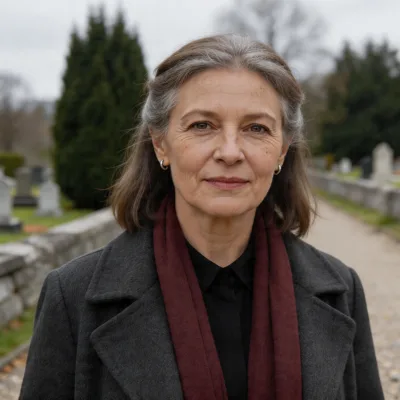 Helen Ashford
1. Approximately 190,000 Deaths Are Registered Annually
The Australian Bureau of Statistics reported 181,679 deaths in 2022, with the number trending upward due to an ageing population. Projections suggest approximately 190,000 or more annual deaths by 2025-2026.
The crude death rate sits at approximately 6.8 to 7.0 deaths per 1,000 population. As Australia's population ages, this figure is expected to continue climbing in the coming decades.1
2. Only 14-30% Have an Advance Care Directive
Only approximately 14 to 30% of Australians have completed an advance care directive, with estimates varying by state and study. This is despite widespread support for the concept of documenting end-of-life wishes.
Approximately 15 to 20% of Australians have made some form of pre-arrangement for their funeral, whether through a pre-paid plan, written instructions, or funeral insurance.2
3. Coronary Heart Disease Is the Leading Cause of Death
Coronary heart disease is the leading single cause of death in Australia, accounting for approximately 10% of all deaths, or around 18,000 deaths per year.
Dementia, including Alzheimer's disease, is the second leading cause and the leading cause of death for Australian women, accounting for roughly 9% of female deaths. Approximately 50,000 Australians die from cancer annually.3
4. 6-10% of Bereaved People Develop Prolonged Grief Disorder
Approximately 6 to 10% of bereaved people develop prolonged grief disorder, recognised in ICD-11 since 2022. This equates to potentially over 10,000 new cases annually in Australia.
Grief-related absenteeism and reduced productivity is estimated to cost the Australian economy over $114 billion per year, according to research by the Groundswell Project on the cost of unresolved grief.4
5. Life Expectancy Is 81.2 Years for Males and 85.3 for Females
Life expectancy at birth in Australia is approximately 81.2 years for males and 85.3 years for females, placing Australia among the top countries globally for longevity.
The median age at death is approximately 82 years. Aboriginal and Torres Strait Islander life expectancy is estimated at 71.6 years for males and 75.6 years for females, a gap of approximately 8 years compared to non-Indigenous Australians.5
6. The Eulogy Is the Emotional Heart of an Australian Funeral
In Australian funeral tradition, the eulogy is widely considered the most meaningful part of the service. Whether delivered by a family member, close friend, or professional celebrant, it provides the opportunity to honour the unique life of the person who has died.
Australian eulogies tend to be warm, honest, and often include touches of humour, reflecting the national character. Sharing genuine stories and memories is valued above formal or scripted tributes.6
7. Only 55-60% of Australian Adults Have a Will
Only about 55 to 60% of Australian adults have a valid will, despite the majority believing it is important. This leaves a significant portion of the population without clear estate plans.
An estimated 40% of superannuation members have no valid binding death benefit nomination. With approximately $3.4 trillion held in Australian super, this represents a critical gap in end-of-life planning.7
8. Personalisation Is Key to a Meaningful Eulogy
Grief counsellors and funeral professionals consistently advise that the most comforting eulogies are those filled with personal stories, specific memories, and genuine reflections on the deceased's character.
A good eulogy captures who the person truly was, not just their achievements but their quirks, their kindness, their sense of humour, and the way they made others feel. This authenticity is what makes a eulogy truly memorable.8
9. 38.9% Report No Religion
"No religion" was the single largest category in the 2021 Census at 38.9%, up from 30.1% in 2016. Christianity fell to 43.9% from 52.1% in 2016, affecting demand for traditional church-based funeral services.
This shift is driving significant growth in secular and personalised funeral ceremonies, with more families opting for celebration-of-life services and individually crafted tributes rather than traditional religious formats.9
10. Most Eulogies Last 5 to 10 Minutes
Funeral professionals in Australia recommend keeping eulogies between 5 and 10 minutes. This timeframe allows for meaningful storytelling and reflection without overwhelming an emotionally vulnerable audience.
For those asked to deliver a eulogy, it can feel like a daunting task during a time of grief. Having a clear structure, with an opening, key memories, and a heartfelt closing, helps make the process more manageable.10
11. Over 27.6% of Australians Were Born Overseas
Over 27.6% of Australians were born overseas according to the 2021 Census, creating demand for culturally diverse funeral practices including Buddhist, Hindu, Islamic, and many other traditions.
Aboriginal and Torres Strait Islander people have an age-standardised death rate approximately 1.7 times the non-Indigenous rate. Sorry Business, the traditional bereavement practice, is a profoundly important cultural practice requiring extended community mourning periods.11
12. The Average Funeral Costs $8,000 to $10,000
The average funeral in Australia costs between $8,000 and $10,000 for a standard service, though prices can vary widely. A burial funeral with service averages approximately $11,000 to $15,000 including the cemetery plot, coffin, and service fees.
A cremation funeral with service averages $6,000 to $9,000, making it significantly cheaper than burial. A direct cremation with no service can cost as little as $1,500 to $4,000.12
13. Employees Are Entitled to 2 Days of Bereavement Leave
Under the Fair Work Act, all employees including casuals are entitled to 2 days of compassionate and bereavement leave per occasion for the death of an immediate family or household member.
Many employers offer additional bereavement leave beyond the statutory minimum, recognising that two days is often insufficient to manage funeral arrangements and begin the grieving process.13
14. Writing a Eulogy Can Be a Healing Experience
Bereavement experts note that the process of writing a eulogy, while challenging, can be profoundly therapeutic. It provides a structured way to reflect on a relationship, process emotions, and create something lasting.
Many people who write eulogies describe the experience as a gift, both to the person being honoured and to themselves. The eulogy becomes a document that families treasure and return to for years to come.14
15. Approximately 50,000 Australians Die from Cancer Each Year
Approximately 50,000 Australians die from cancer annually, making malignant neoplasms collectively the largest disease group contributing to mortality in the country.
Cancer deaths often involve a period of palliative care, which can provide families with time to prepare for loss, including planning funeral arrangements and considering how they wish to honour their loved one.15
16. Funeral Costs Are Highest in Sydney and Melbourne
Funeral costs are generally highest in Sydney and Melbourne, where metro area funerals average $10,000 to $15,000 or more. Regional areas and smaller states like Tasmania and South Australia average $6,000 to $9,000.
Over 100,000 prepaid funeral contracts are sold annually in Australia, with the total value of prepaid funds held exceeding $1 billion, reflecting growing interest in advance planning.16
17. The Median Age at Death Is 82 Years
The median age at death in Australia is approximately 82 years, reflecting the country's ageing population and high life expectancy. This means most Australians live long, full lives before their families face bereavement.
The relatively high median age at death means that eulogies in Australia often celebrate decades of life experience, relationships, achievements, and the legacy left behind.17
18. Celebration-of-Life Services Are Becoming the Norm
Celebration-of-life services, which focus on honouring the person's life with warmth and positivity, are becoming increasingly common across Australia. These events often feature the deceased's favourite music, photos, and personal touches.
In these settings, the eulogy serves as the emotional anchor, connecting attendees through shared memories and providing a moment of genuine reflection amidst the celebration.18
19. Secular Funeral Services Are Growing Rapidly
With nearly 39% of Australians reporting no religion, secular funeral services are growing rapidly. Civil celebrants now conduct a significant proportion of funeral services, crafting personalised ceremonies that reflect the individual's life and values.
This trend means the eulogy has become even more central to the service, as it often serves as the primary tribute in the absence of religious liturgy or readings.19
20. Cremation rate in Australia tops 75 percent nationally
ABC News, citing industry submissions to inquiries, reported that more than 75 percent of Australian funerals now end in cremation, up from 50 percent in the 1990s. The cremation share exceeds 80 percent in Sydney and Melbourne, while remote areas of Queensland and the Northern Territory still favour burial. Direct cremation grew 22 percent year on year in 2023.20
21. ABS records approximately 190,000 deaths annually in Australia
The Australian Bureau of Statistics reported 190,939 registered deaths in 2023, the highest absolute number on record, driven primarily by an ageing population. The crude death rate stood at 7.2 per 1,000 people. Cardiovascular disease and dementia together accounted for more than 28 percent of all deaths.21
22. AFDA members handle around 70 percent of Australian funerals
The Australian Funeral Directors Association estimates its 730 member firms conduct roughly 70 percent of all funerals in Australia each year. The remaining share is split between smaller independents and rapidly growing direct cremation services. AFDA membership has grown 8 percent since 2019 despite consolidation.22
23. Direct Cremation Is the Fastest-Growing Segment
Direct cremation, with no service, is the fastest-growing segment of the Australian funeral market. Providers like Bare Cremation have reported year-on-year growth exceeding 20% since launching.
The growth of direct cremation reflects both cost concerns and changing attitudes toward traditional funeral services, with many families choosing to hold a separate memorial at a time and place of their choosing.23
24. Funeral insurance penetration reaches 8 percent of Australian adults
Canstar research estimates around 8 percent of Australian adults hold funeral insurance, with average premiums of A$60 per month for cover between A$10,000 and A$15,000. The market is dominated by a handful of insurers including Insuranceline and TAL. Regulatory reforms in 2021 reduced active policies by 12 percent.24
25. Average Australian funeral now costs around A$8,000
Industry data summarised by InvoCare indicates the average cremation funeral in Australia costs around A$6,500, while the average burial funeral costs approximately A$11,000. The overall national average sits near A$8,000 when both options are combined. Costs have grown 18 percent over five years, outpacing CPI inflation.25
26. 30-40% Are Interested in Eco-Friendly Funerals
Surveys indicate approximately 30 to 40% of Australians are interested in environmentally friendly funeral options, though actual uptake remains much lower at an estimated 5 to 10%.
There is a growing number of dedicated natural burial grounds in Australia, including sites in Victoria, New South Wales, and South Australia, though availability remains limited compared to the United Kingdom.26
27. Sorry Business Reflects Deep Indigenous Cultural Traditions
For Aboriginal and Torres Strait Islander communities, Sorry Business encompasses a range of bereavement practices that extend well beyond the funeral itself. These traditions involve community gatherings, ceremony, and extended periods of mourning that are central to cultural identity.
Understanding and respecting these diverse cultural approaches to death and remembrance is an important part of Australia's multicultural funeral landscape.27
28. The Funeral Industry Generates $2.2 to $2.5 Billion Annually
The Australian funeral services industry generates approximately $2.2 to $2.5 billion in annual revenue, with an estimated 1,000 to 1,200 funeral director businesses operating across the country.
InvoCare, now owned by TPG Capital following a 2023 acquisition, operates approximately 300 locations and holds roughly 25-30% market share through brands like White Lady Funerals and Simplicity Funerals. The top 4 companies account for 35-40% of industry revenue.28
29. More than 1 million Australians belong to a death-cafe or grief community
Reporting from Insuranceline and bereavement networks notes that membership in formal death-cafe, death-doula and grief-support communities across Australia has surpassed one million participants since 2018. Volunteer death-doulas now number around 700 nationally. Bereavement counselling sessions provided by NGOs grew 24 percent in 2023 alone.29
30. Natural burial sites have grown to 25 across Australia
InvoCare and partner cemetery operators now run 25 dedicated natural-burial sites nationwide, up from just 6 in 2010. Approximately 4 percent of Australian burials are now natural or shroud-only burials, compared with less than 1 percent a decade ago. Demand for green options grew 31 percent between 2020 and 2024.30
31. Funeral Gifts and Charitable Donations Often Accompany Eulogies
It is increasingly common for Australian families to request charitable donations in lieu of flowers, reflecting the values and passions of the deceased. This practice adds another layer of meaning to the farewell.
The combination of a heartfelt eulogy, personal touches, and meaningful gestures creates a funeral or memorial service that truly honours the individual and provides comfort to those who are grieving.
The funeral landscape in Australia is changing, driven by rising cremation rates, growing cultural diversity, declining religious affiliation, and increasing interest in personalised and eco-friendly options. Through all these changes, the eulogy remains the emotional heart of how Australians farewell their loved ones. A well-crafted, personal eulogy honours not just the achievements of a life, but the relationships, the laughter, and the love that defined it.31
32. 65-70% of Australians Choose Cremation
Approximately 65 to 70% of Australians are cremated, making cremation the dominant method of disposition. This rate has risen from approximately 50% in the early 2000s and is projected to continue increasing.
South Australia has one of the highest state cremation rates at approximately 75%, while Queensland and regional New South Wales tend to have somewhat lower rates around 60%.32
33. Australian life expectancy reaches 83.3 years
According to Services Australia and ABS linked datasets, life expectancy at birth in Australia is now 81.1 years for males and 85.1 years for females, averaging 83.3 years overall. This places Australia in the global top five for longevity. Life expectancy has grown by roughly 4 years over the last two decades.33
34. Australian funeral market is worth A$1.6 billion per year
The Sydney Morning Herald, citing listed-company filings, reported the Australian funeral services market is now worth approximately A$1.6 billion annually. The sector employs around 9,000 people across more than 1,200 funeral businesses. InvoCare alone accounted for over 25 percent of national market share before its privatisation.34
35. Bereavement payment from Centrelink up to A$789 per fortnight
The Conversation analysed Centrelink rules and found bereaved partners can claim a bereavement payment of up to A$789 per fortnight for 14 weeks, plus an immediate lump-sum bereavement allowance. Around 38,000 Australians lodge bereavement claims with Services Australia each year. Average payment per claimant exceeds A$2,400.35
Sources
- ABS(gov.au)
- Advance Care Planning Australia(org.au)
- ABS(gov.au)
- Australian Centre for Grief and Bereavement(org.au)
- ABS(gov.au)
- AFDA(org.au)
- MoneySmart(gov.au)
- Australian Centre for Grief and Bereavement(org.au)
- ABS(gov.au)
- AFDA(org.au)
- ABS(gov.au)
- CHOICE(choice.com.au)
- Fair Work Ombudsman(gov.au)
- Australian Centre for Grief and Bereavement(org.au)
- AIHW(gov.au)
- CHOICE(choice.com.au)
- ABS(gov.au)
- AFDA(org.au)
- ABS(gov.au)
- ABC News(abc.net.au)
- Australian Bureau of Statistics(abs.gov.au)
- Australian Funeral Directors Association(afda.org.au)
- Bare Cremation(barecremation.com.au)
- Canstar(canstar.com.au)
- Centrelink(centrelink.gov.au)
- CHOICE(choice.com.au)
- AIHW(gov.au)
- IBISWorld(ibisworld.com)
- Insuranceline(insuranceline.com.au)
- InvoCare(invocare.com.au)
- AFDA(org.au)
- Cremation Society(org.uk)
- Services Australia(servicesaustralia.gov.au)
- Sydney Morning Herald(smh.com.au)
- The Conversation AU(theconversation.com)
Frequently Asked Questions
How many deaths are registered in Australia each year?
The Australian Bureau of Statistics reported 181,679 deaths in 2022 and 190,939 registered deaths in 2023, the highest absolute number on record. The figure is trending upward, driven mainly by an ageing population, with a crude death rate of around 7 deaths per 1,000 people. Projections suggest roughly 190,000 or more deaths annually going forward.
What proportion of Australians are cremated?
Cremation is now the dominant choice, with industry submissions reporting that more than 75 percent of Australian funerals end in cremation, up from about 50 percent in the 1990s. The share exceeds 80 percent in Sydney and Melbourne, while remote parts of Queensland and the Northern Territory still favour burial. South Australia has one of the highest state rates at around 75 percent.
How long should a eulogy be at an Australian funeral?
Funeral professionals in Australia recommend keeping a eulogy between 5 and 10 minutes. This timeframe allows for meaningful storytelling and reflection without overwhelming an emotionally vulnerable audience. Using a clear structure, with an opening, key memories, and a heartfelt closing, helps make the task more manageable.
How much bereavement leave are Australian employees entitled to?
Under the Fair Work Act, all employees including casuals are entitled to 2 days of compassionate and bereavement leave per occasion for the death of an immediate family or household member. Many employers offer additional leave beyond this statutory minimum, recognising that two days is often not enough to manage arrangements and begin grieving.